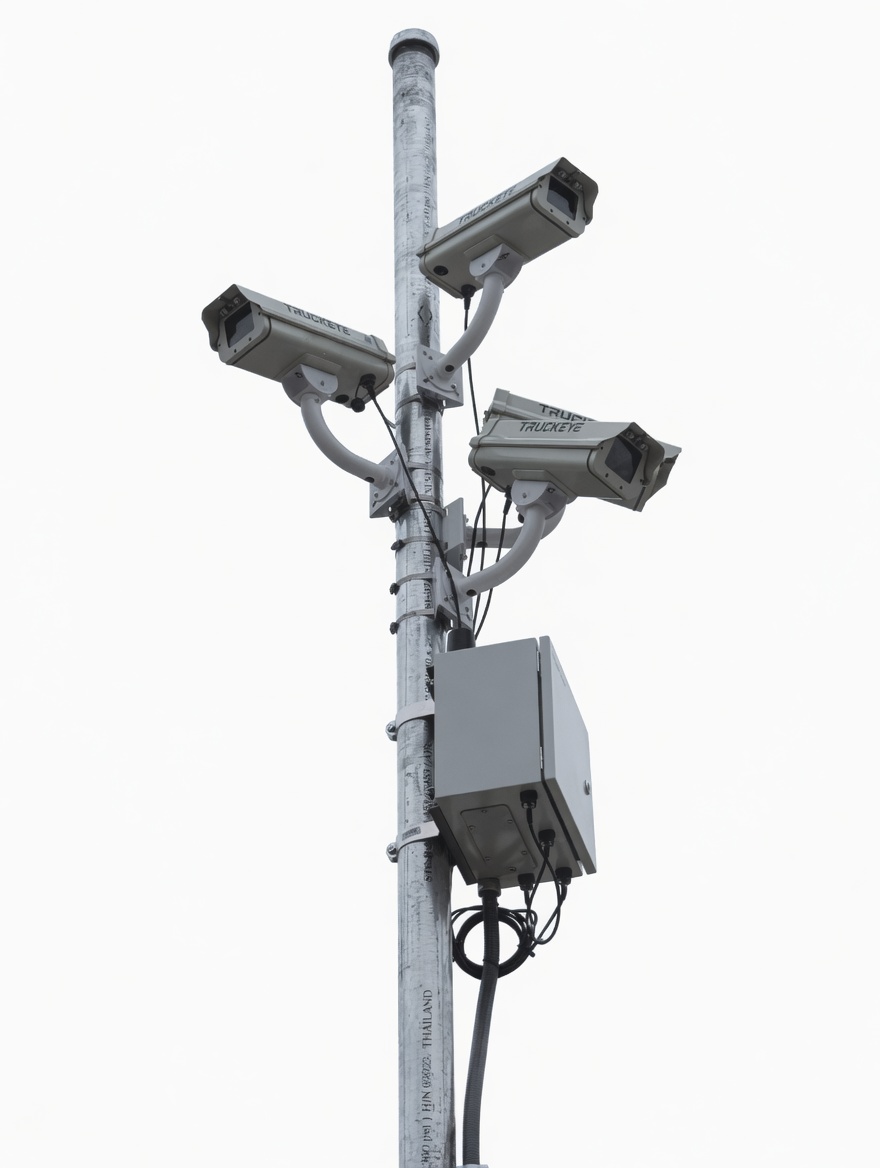
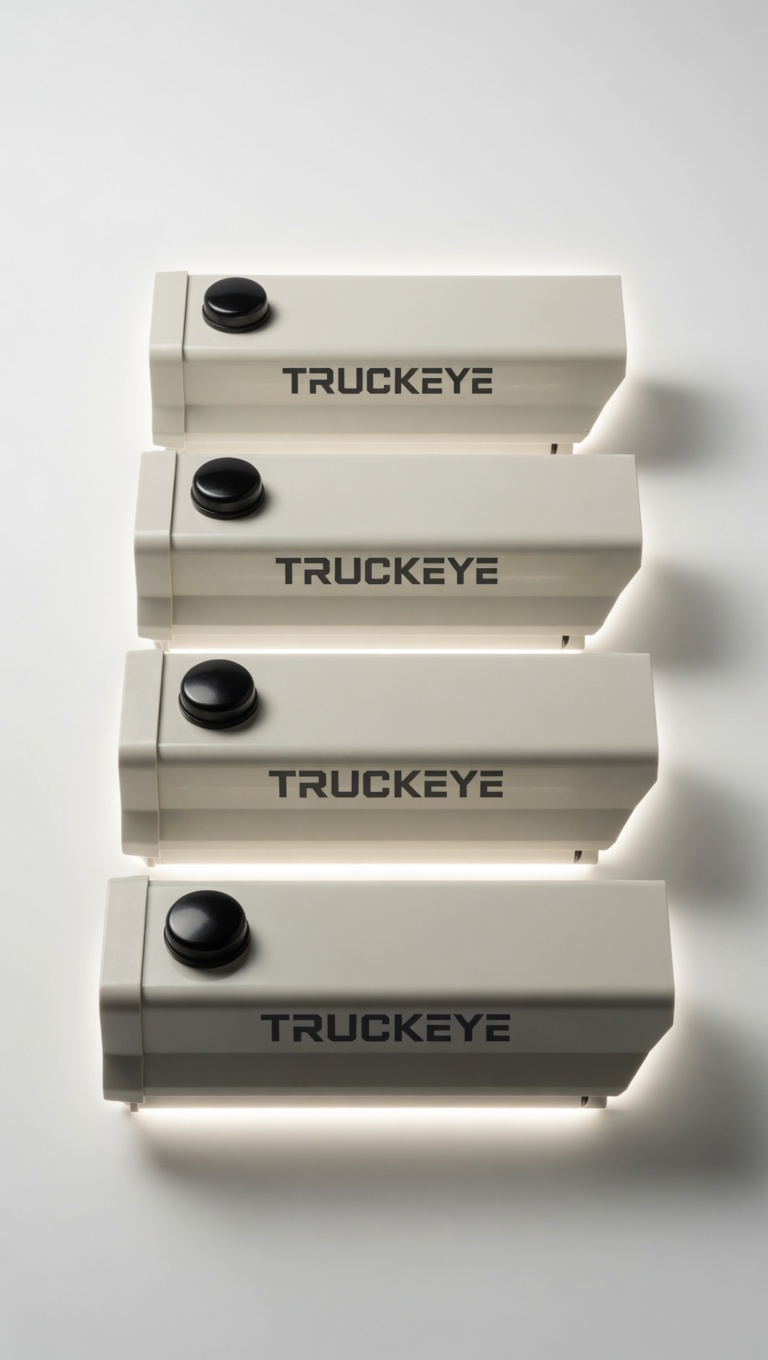
The fixed-post sensor that runs every Iron Hornet detection model locally — processing on-site rather than depending on the cloud. Iron Eyes is configured to record the vehicle rather than the driver, and is built to operate in low- and no-light conditions.
Features
Full AI classification — vehicle type, body, configuration, payload, condition, direction, intent
Identity capture — company name, USDOT, MC number, plate, trailer ID, vessel name, hull markings
HAZMAT placard detection — reads DOT diamond placards, captures hazard class and UN number for compliance, insurance, and emergency response
Live searchable inventory — every truck, trailer, vessel, and container reconciled in and out at every gate, building a real-time site inventory you can query on demand
Pattern-of-life learning — the AI builds a behavioral baseline for your facility and surfaces deviations automatically
Anomaly detection — unusual visit times, unknown vehicles, off-pattern behavior — flagged in real time
Piggyback detection — catches second vehicles slipping through behind authorized traffic
Multi-frame analysis — sees the whole event, not a single snapshot
Day/night/all-weather operation — IR fusion, IP67 sealed housing
Facial recognition for vehicles, trucks & equipment — identity-grade AI applied to trucks, trailers, vessels, containers, and the placards they carry
Event log — every event timestamped and searchable
Replaces
The clipboard at the gate. The guard logging plates by hand. The hazmat manifest nobody reconciled. The Monday-morning trailer count that's always wrong. The piggyback intrusion nobody catches. The behavioral anomaly that goes unnoticed until it's an incident. The dumb camera that records but doesn't recognize.
IH-EYE-PRO-04 · ELEV-A
Four-cam mast · IH edge boxSensor head · detail
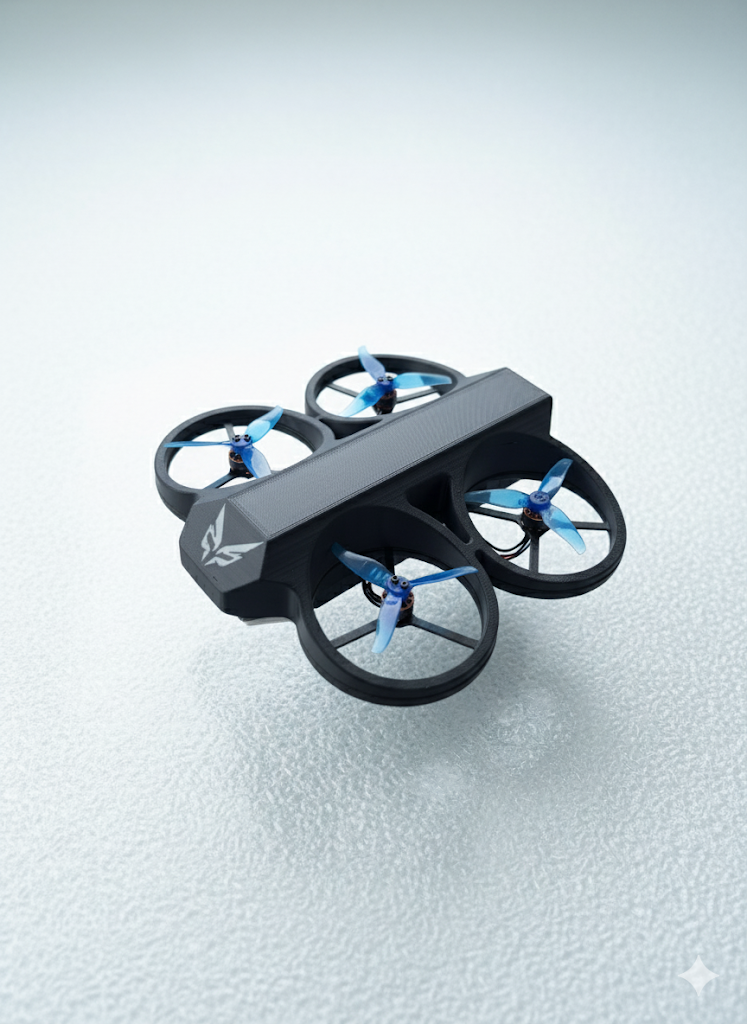
IH-WNG-MK2 · UAV
02 — Aerial
Iron Wings.
Replace the perimeter guard. Map the entire site.
The Iron Hornet drone is your site's autonomous patrol asset — and your living site map. It flies a schedule, walks your perimeter from the air, surveys every row of trailers, every dock slip, every taxiway segment, every border sector, livestock movement — and feeds the result into a continuously updated geospatial view of your operation.
Features
Scheduled perimeter patrols — replaces the security guard's walk-around on every shift
Geospatial site mapping — every flight updates a live map of where vehicles, vessels, equipment, and assets are sitting
Aerial asset inventory — knows what's on site, where, and how long it's been there
Day/night-rated optics — visible + IR payload, flies the dark hours the guard didn't want to
Single-operator fleet — one console supervises every drone across every site
NestLink dock integration — fully autonomous launch, mission, return, recharge
Replaces
The security guard's perimeter walk-around. The paper inventory sheet. The "where is that trailer / where is that vessel" search. The blind spot between camera poles. The pilot on the payroll.
03 — Edge Tag
Iron Puck.
Track anything that matters. Anywhere it goes.
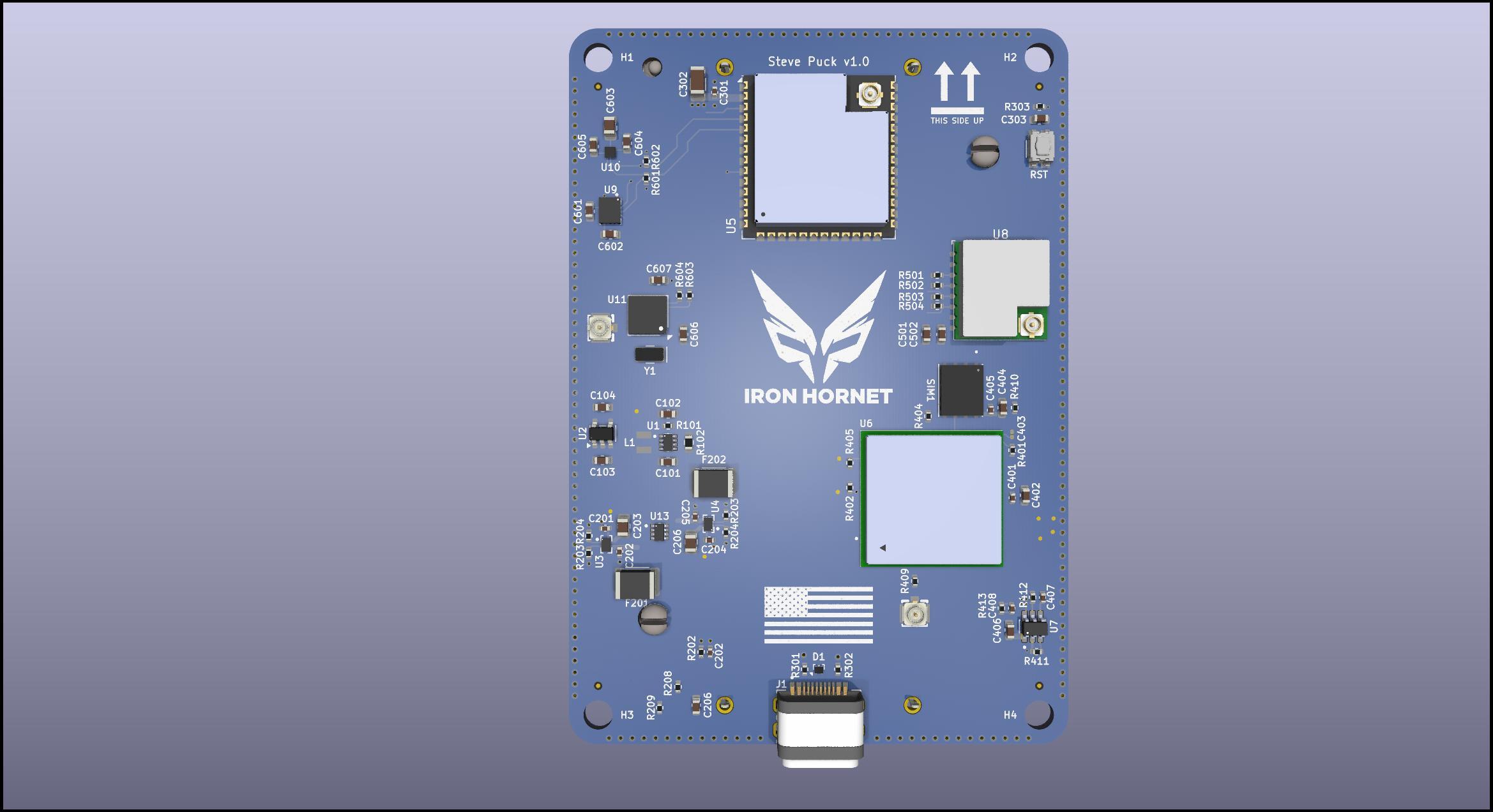
Puck extends the Iron Hornet platform from your perimeter to the assets that move through it — and beyond. Trailers. Containers. Generators. Yachts. Fleet vehicles. High-value equipment. Livestock. Anything you can bolt or strap a tag onto. Built for the field, the yard, the harbor, and the pasture.
Features
Long-range mesh networking — Mesh network on Iron Hornet's own protocol, miles of range per node, no SIM per tag. Talks back to Brain Box; IoT cellular fallback when available.
Movement detection — alerts when an asset moves or goes offline
Geofence intelligence — knows when an asset crosses your perimeter, day or night
Unified with cameras & drones — same dashboard, same site map, same alert stream
Survives the environment — sealed for rain, sun, salt water, vibration, impact
Replaces
The 6 a.m. "where's my trailer / where's my boat / where's the herd" phone call. The dead-zone tracker that goes silent. The "we had it last week" inventory across every asset class.
IH-PCK-V3 · NODE
IH-BRN-POLE · NODE
04 — Compute
BrainBox.
Your perimeter network. Built in. Pole-mounted. Done.
Brain Box is the all-in-one site appliance that connects every camera and drone on your perimeter to Iron Hornet's secure backend — without ever touching your IT infrastructure. Built-in cellular. Built-in encryption. Built-in resilience. One enclosure does it all.
Features
Built-in cellular backhaul — Iron Hornet's own carrier-grade link, no customer network required
Encrypted end-to-end — every byte tunneled to our backend, never exposed to your LAN
Local event buffering — full video preserved during link outages, auto-uploaded when restored
PoE distribution — powers and links every camera on the pole from one box
Independent uptime — your WAN outage never takes down our perimeter
Zero IT touch — no VLAN, no firewall rule, no static IP, no IT ticket
Weather-sealed pole-mount — engineered for the gate, dock, or sector — not the data closet
05 — Drone Dock
Iron Docking Station.
The brain that flies the drone for you.
The Iron Hornet Dock is more than a charging station. It houses NestLink — the autonomous mission-control system that schedules, launches, recovers, and recharges the drone. You set the patrol routes and the schedule. NestLink runs them. No pilot, no operator, no handling.
Features
NestLink mission scheduler — runs patrol routes on a schedule you set
Autonomous launch & recovery — drone leaves the dock, flies the mission, lands itself
Precision auto-landing — millimeter-accurate dock alignment, every time
Inductive recharge — autonomous charge cycle between missions, no operator required
Multi-drone fleet management — one operations console, many docks, many sites
Pole-mounted, weather-sealed — engineered for the yard, dock, or perimeter
Zero physical handling — no one ever touches the drone between missions
Replaces
Manual drone storage and charging. Manual mission planning. Pilot-on-call rotations. The patrol schedule somebody has to manage by hand.
IH-DOCK-MK1 · NESTLINK
06 — Accessories
Field modules & accessories.
Every Iron Hornet system is modular. These are the pieces our deployment team installs alongside the four core platforms.
Solar Mast 6m
Self-erecting trailer mast with 600W panel and 3 kWh battery. Two Iron Eyes per mast.
PN · IH-SOL-6M
Edge Vault
NEMA 4X cabinet with PoE++ switch, UPS, and fiber breakout for up to 8 sensors.